Chimney Inspection Service in San Jose, CA
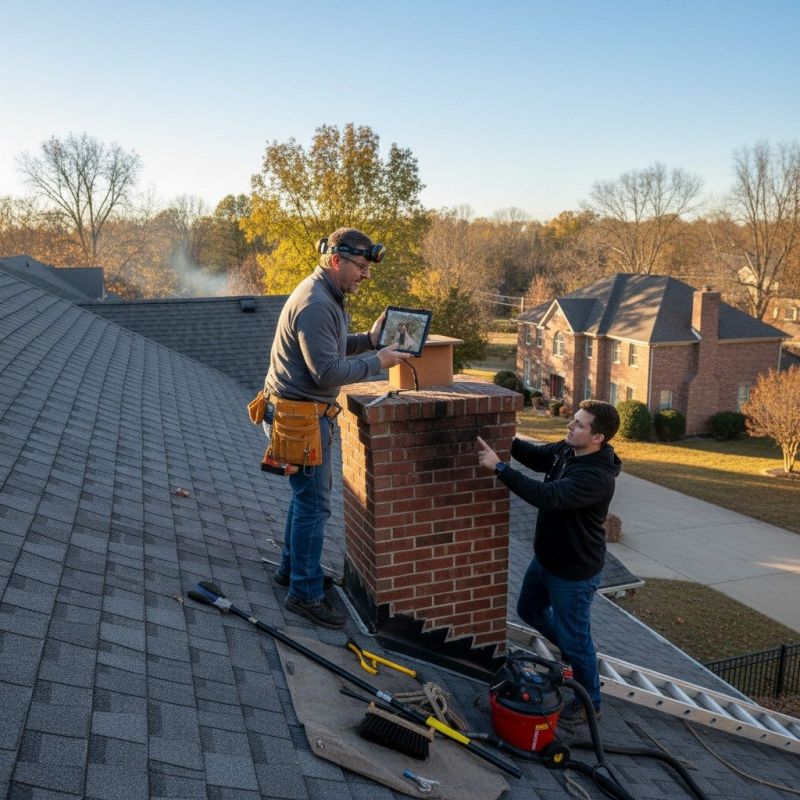
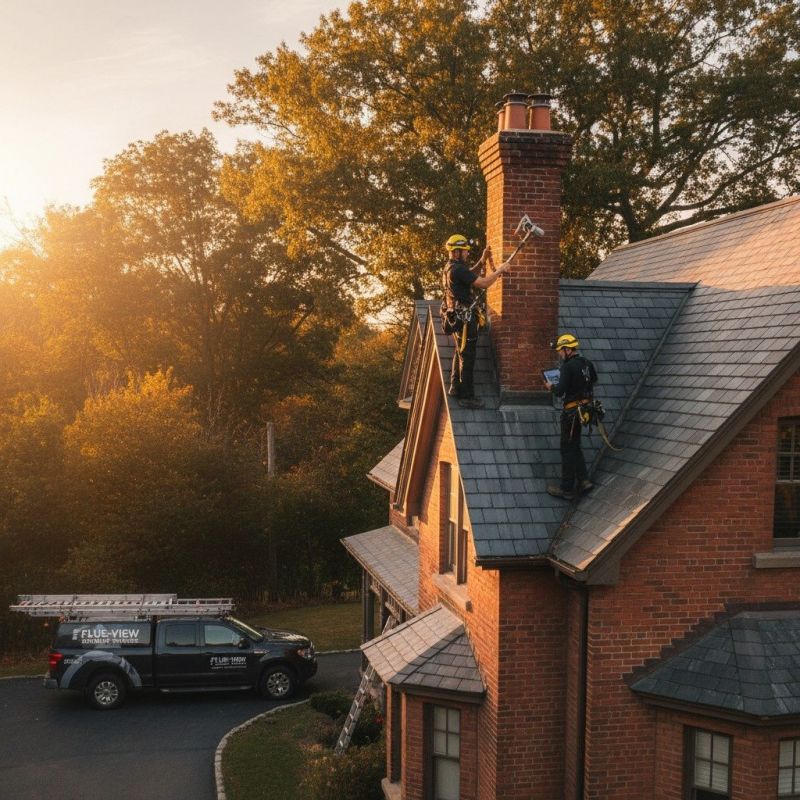
Chimney inspection services involve a thorough examination of a chimney’s interior and exterior components to assess their condition and identify potential issues. These inspections typically cover the chimney crown, flue, liner, damper, and masonry to ensure they are functioning properly and free from damage or obstructions. Homeowners often request chimney inspections before the start of the heating season, after a chimney fire, or if they notice signs of deterioration such as smoke backdrafts, odors, or visible damage. Understanding the scope of the inspection can help property owners determine whether repairs or cleaning are necessary to maintain safe and efficient operation.
Before requesting a chimney inspection, property owners usually want to understand what the process entails and what issues might be uncovered. It’s common to inquire about the presence of creosote buildup, cracks, or blockages that could pose fire hazards or reduce airflow. Homeowners may also want to know if the inspection is visual or involves more detailed testing, such as camera scans, to better evaluate hidden damage. Having clear information about what the inspection covers can assist in making informed decisions about maintenance, repairs, or cleaning to keep the chimney in safe working order.
Many property owners in San Jose, CA look into Chimney Inspection Service for repairs, replacements, upgrades, and appearance-related improvements.
Chimney Inspection Benefits
Regular inspections help identify potential hazards and ensure safe operation of fireplaces and wood stoves.
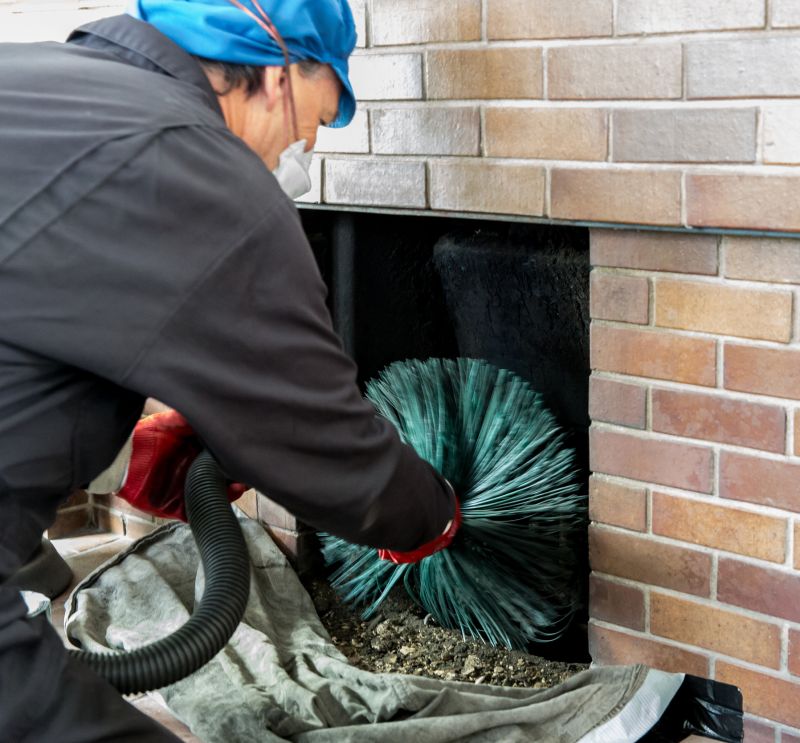
Inspection Techniques
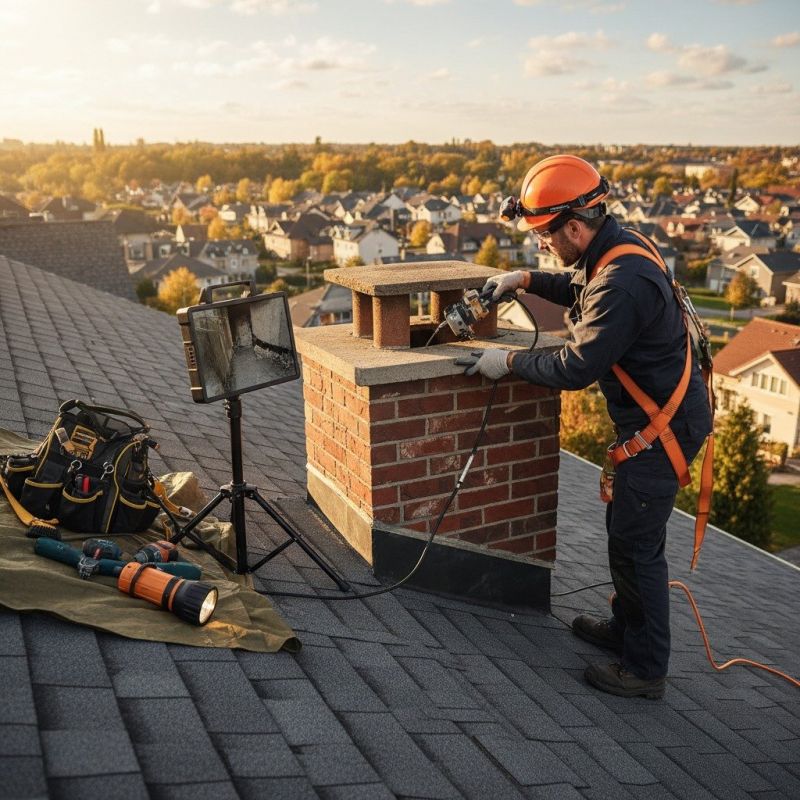
Comprehensive assessments include visual checks, chimney camera scans, and soot buildup evaluations to detect issues early.
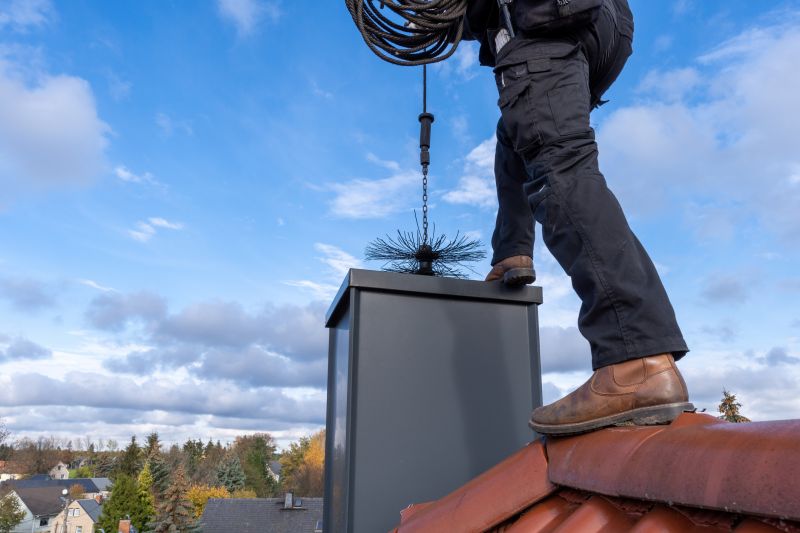
Property Safety And Maintenance
Routine chimney inspections support property safety and help maintain the longevity of chimney systems in san jose homes.
Chimney Inspection Service in San Jose, CA
Chimney inspection services involve a thorough examination of a chimney’s interior and exterior components to assess their condition and identify potential issues. These inspections typically cover the chimney crown, flue, liner, damper, and masonry to ensure they are functioning properly and free from damage or obstructions. Homeowners often request chimney inspections before the start of the heating season, after a chimney fire, or if they notice signs of deterioration such as smoke backdrafts, odors, or visible damage. Understanding the scope of the inspection can help property owners determine whether repairs or cleaning are necessary to maintain safe and efficient operation.
Before requesting a chimney inspection, property owners usually want to understand what the process entails and what issues might be uncovered. It’s common to inquire about the presence of creosote buildup, cracks, or blockages that could pose fire hazards or reduce airflow. Homeowners may also want to know if the inspection is visual or involves more detailed testing, such as camera scans, to better evaluate hidden damage. Having clear information about what the inspection covers can assist in making informed decisions about maintenance, repairs, or cleaning to keep the chimney in safe working order.
Many property owners in San Jose, CA look into Chimney Inspection Service for repairs, replacements, upgrades, and appearance-related improvements.
Common Chimney Inspection Service Jobs
Chimney Inspection - a thorough assessment of chimney condition to identify potential issues.
Flue Inspection - evaluation of the flue liner for cracks, blockages, or damage.
Pre-Season Inspection - checkup before fireplace use to ensure safety and proper function.
Damage Assessment - identifying signs of wear, deterioration, or structural concerns.
Ventilation Inspection - ensuring proper airflow for safe and efficient operation.
Chimney Repair Evaluation - determining necessary repairs to maintain safe chimney performance.
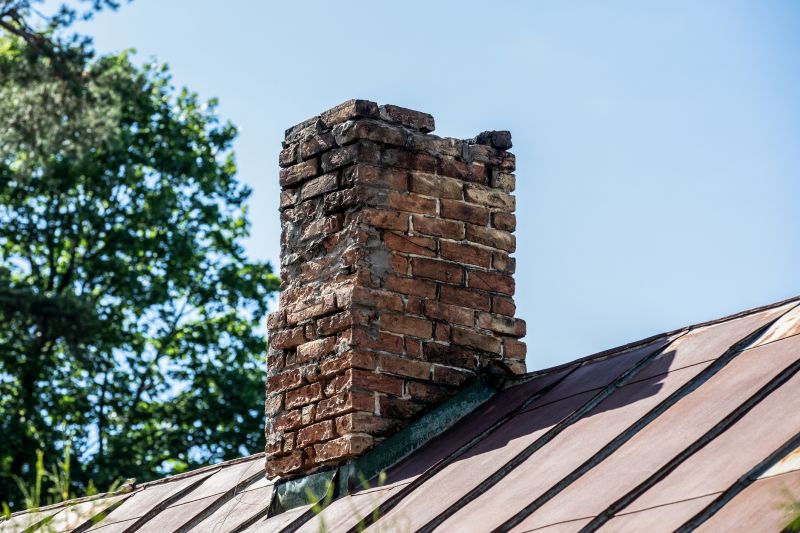
Chimney Inspection Service Questions
What is involved in a chimney inspection? A chimney inspection typically includes checking the flue, chimney structure, and venting system for damage or blockages to ensure safe operation.
How often should a chimney be inspected? It is recommended to have a chimney inspected annually, especially if it is used frequently or shows signs of wear.
What signs indicate a chimney needs inspection? Signs include soot or creosote buildup, smoke backing into the home, or visible damage to the chimney structure.
What are the benefits of regular chimney inspections? Regular inspections help prevent fire hazards, improve efficiency, and identify repairs early to avoid costly damage.
Request Chimney Inspection Service in San Jose, CA
Use the quote form on this page to share the basics of your project and request more information for the type of work you need.